
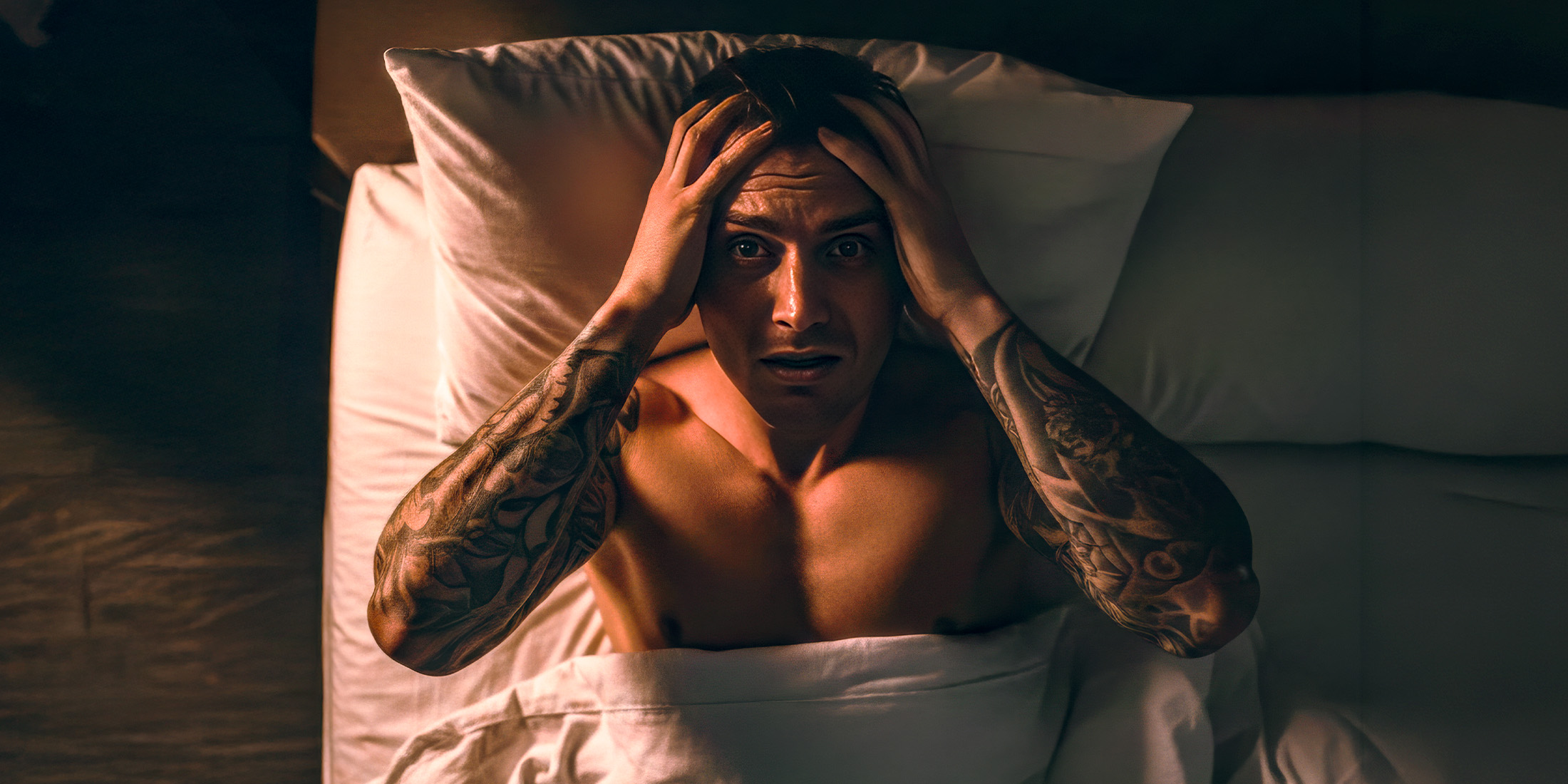
That “extra daylight” comes with a cost. From wrecked sleep to real health risks, the case against daylight saving time is stronger than you think.
magine, it’s 9 p.m., and you’re out with your friends, enjoying the last of the summer light. You can barely remember the dark days of winter when your world ended at 4 p.m., and you rotted on your couch questioning the meaning of life. Thank God for summer and daylight savings time, right?
WRONG. While you bask in the rays of long summer days, you are sacrificing your health.
Daylight savings time (DST) is a ruse created by the government to conserve energy during World War II— questionable origins to start. And, it barely even made an impact: a whopping 0.5% decrease in energy use, the same amount of energy saved turning off one lightbulb for an extra two hours per day.
When it comes to the argument between daylight savings and standard time, every person who actually knows what they are talking about—AASM, Sleep Research Society, National Sleep Foundation (aka not your friend who blames everything on ‘Mercury in retrograde’)— agrees that permanent standard time is the way to go. And no, that’s not just because they’re scientists who spend their entire lives inside research labs and don’t know what the sun feels like on their skin anymore—they don’t, but that’s not why they support taking away your sunshine.
The main argument for permanent standard time is it’s better aligned with our circadian rhythms—your internal clock. You may think this doesn’t matter much, but your circadian rhythm is more than a fun, health buzzword. Your internal clock regulates your immune system, hormones, and metabolism. Can’t lose weight? Blame daylight savings time. Permanent standard time could prevent 2.6 million cases of obesity and obesity related health issues. Plus, when we inevitably find ourselves in the postapocalyptic world, and we’ve lost access to our fancy technology, like clocks, we’ll be better prepared.
Why not permanent daylight savings time, you ask? Do you really want to wake up in total darkness in the winter? You think you do, but when it was briefly adopted in 1974, people were so dissatisfied they repealed the act. If we don’t learn from history, we’re doomed to repeat it—just look at low-rise jeans.
Imagine endless dark morning commutes and constantly unthawed ice on the streets? Like we need anymore reasons to hate other drivers.
Sure, DST has some benefits. The extra light may help you not get robbed, but just stop going to the 16th Street Mall at night—or really any time of day. And yes, fewer deer are hit during DST, but permanent standard time would prevent 300,000 strokes versus 66 additional deer collision deaths. It’s a modern day trolly problem, but with deer. As for everyone’s favorite argument: it makes you a little less depressed, have you seen our world today? There is only so much sunlight can do for you. Just go to therapy already.
So while unpopular, it’s clear we need to adopt permanent standard time. In a statement I never believed I would say, let’s be more like Arizona and reject daylight savings. But, please, watch out for deer.
How to protect yourself from Daylight Savings
With the switch coming up, and our policymakers unable to make a decision, you’re going to have to manage. Here are a few tips to help you prepare:
Go for a morning walk
Seriously, this is one of the best things you can do for your health, period. For this purpose, natural sunlight helps your circadian rhythm adjust much better than your indoor light bulbs – even your energy-saving, organic LED ones.
Put your phone down
Jesus Christ, just do it already. Light blasting in your face doesn’t help you sleep. You know this.
Have an orgasm
Can’t sleep with the shift? Nothing a little prolactin and oxytocin can’t fix, both of which are released with climax. But beware, bad sex will leave you awake questioning your life choices.
Call in sick
Car accidents and workplace injuries peak on the Monday after switches. Show them this
Leave a Reply
You must be logged in to post a comment.