
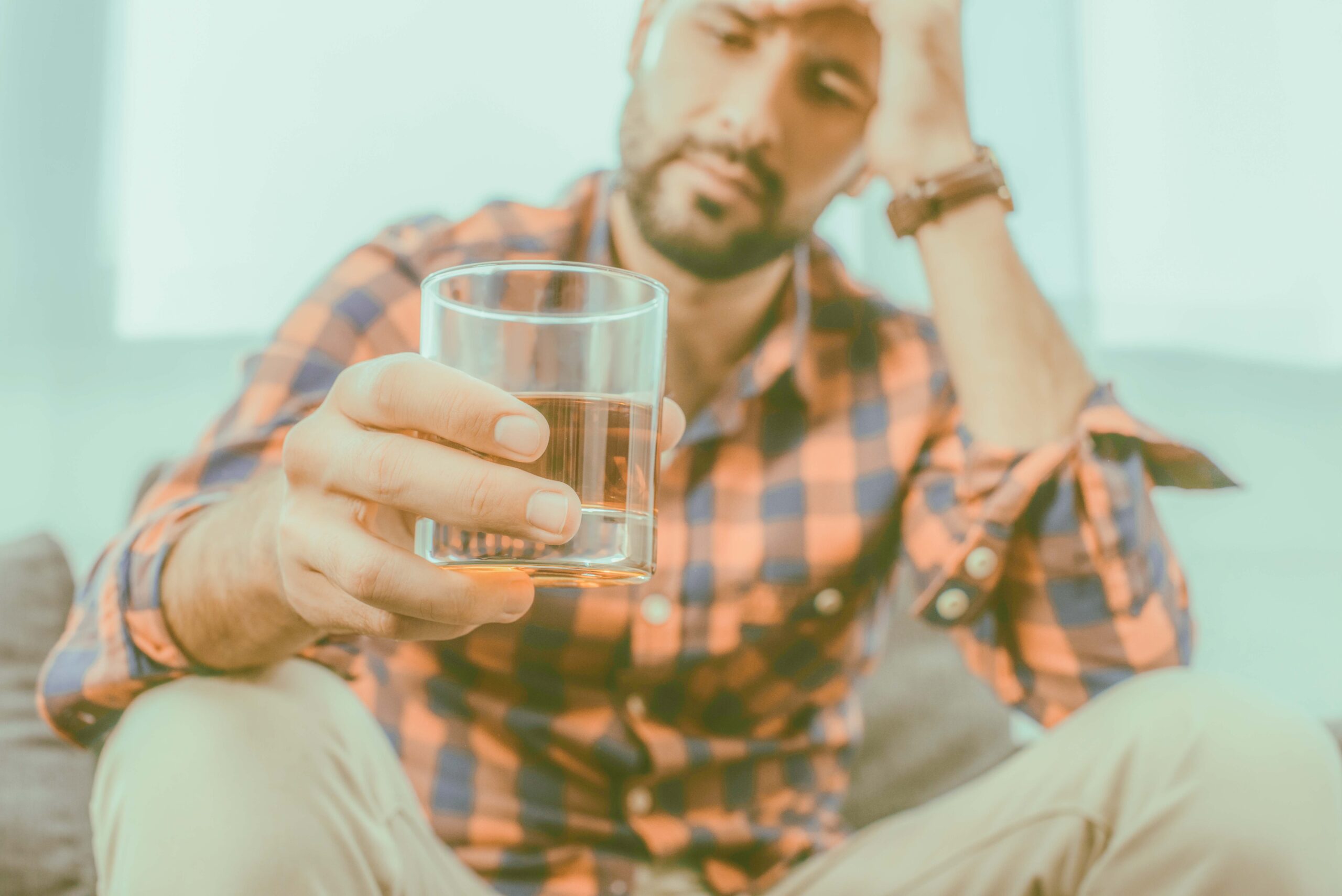
Chances are you’ve already chatted up, gone out with, professed how you could really see yourself with, and then completely ghosted Dry January. Who said Denver’s problem with commitment only applies to our dating lives?
Dry January, or abstaining from alcohol for the first month of the year, is a popular idea, but does it actually have any real benefits?
Half of Americans express interest in Dry January, and half that number actually participate. But these numbers only include nerds who took time to sign up on the official website, so the real numbers are likely higher. Thanks to these data dorks, we find interesting trends in Dry January participation.
Age is a strong differentiator in sobriety. Currently, about two-thirds of adults drink, a 10% drop from 20 years ago. This is, in large part, due to Gen Z—a notoriously prudish generation. Entering adulthood during the pandemic and then emerging only to find this shitshow society awaiting? Can’t blame them.
Before you idolize Gen Z for their health-conscious self-control, we’ll also share that Dry January participation is highly correlated with social media. TikTok users are twice as likely to participate as those without a way to publicly virtue-signal.
Dry January participation differs drastically by age. The younger you are, the more likely you are to embark on this sober endeavor. Participation rates then drop precipitously with each generation. We have a sneaking suspicion this graph would overlay nicely with how many ‘once-in-a-lifetime-economic/societal/historical-events’ you’ve had in your lifetime.
Case in point: last year had worse completion of Dry January compared to prior years, which was not at all related to a certain presidential inauguration that month. It just so happens that young people and Democrats were the most likely to have not stayed sober.
A quarter of people who start Dry January finish. And shout out to the small number of you who commit and then go back on that commitment within 7 days—sounds just like our dating type. So why participate? Obviously, for the moral superiority that comes with making temporary sobriety your entire personality.
And, turns out, short-term abstinence is beneficial for your health beyond the questionable smugness. A study analyzing all the data on these brief breaks found that one month without alcohol significantly improves sleep, mood, energy, weight loss, and even blood pressure and liver health markers.
After Dry January, we assumed most people participated in Sopping-Wet February. Turns out I am just a degenerate because data shows Dry January participants drink less and exercise better moderation, even 6 months later.
While society’s overall reduction in alcohol consumption is positive for health, it begs the question – might it reflect other negative trends? Are we going out less because we can’t afford joy ‘in this economy’? Is drinking less correlated with socializing less? Alcohol is bad for your health, but so is loneliness. So what’s this doctor’s advice? Make sure the dry in Dry January doesn’t include your social life. To quote Oscar Wilde, “Everything in moderation, including moderation.”
Reader rejoice! Whether you made it a few days, a few weeks, or the whole month, your break from the bottle has improved your physical and mental health. Perhaps you don’t have to wait a whole year to slip back into dry-January’s DMs?

California Sober?
As alcohol use changes, so does the use of other intoxicating and mind-altering substances. Here are some interesting trends surrounding alternative substances.
Cannabis
In 2023, a study reported 21% of Dry January participants were planning to use cannabis in lieu of alcohol during Dry January.
In 2024, the number of daily marijuana users surpassed daily alcohol drinkers
Psilocybin
In 2019, Denver decriminalized psilocybin mushrooms, making it the lowest law enforcement priority.
In 2022, Proposition 122 legalized the regulated medical use of psilocybin and other natural psychedelic substances.
In 2025, the first centers received licenses to conduct psilocybin assisted therapy in Denver.
Nicotine
In 2020, cigarette purchases rose for the first time in a decade. From 2018-2022, tobacco imagery quadrupled in the TV shows most binged by young people (correlated with triple the odds of starting tobacco use)
In 2026, Denver’s ban on flavored nicotine will go into effect, joining 13 other cities in Colorado.
Leave a Reply
You must be logged in to post a comment.