
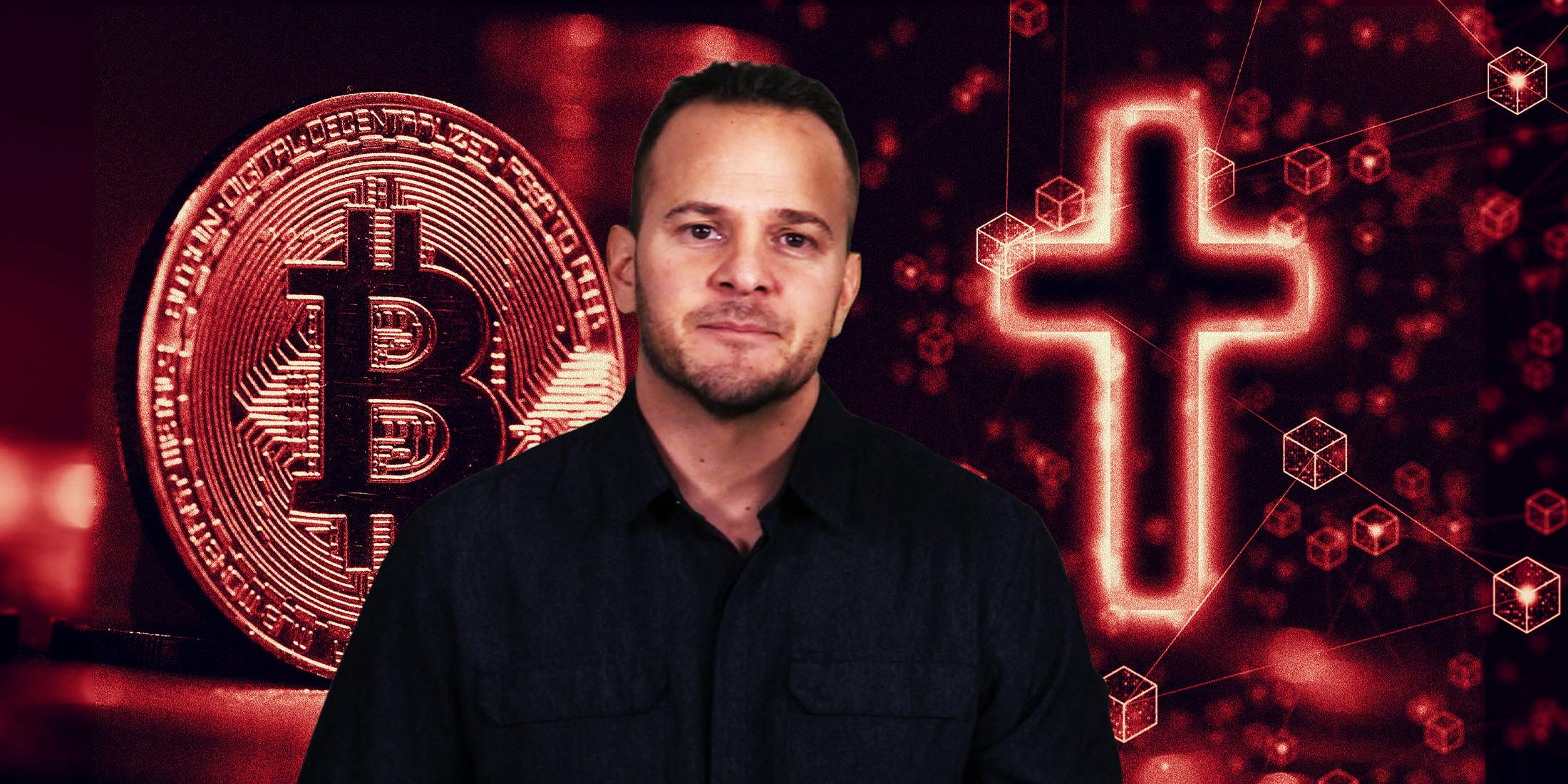
In the Mile High City, where faith and ambition often intertwine, a pastor’s promise of divine prosperity turned into one of Colorado’s strangest crypto scandals. His name was Eli Regalado, a charismatic preacher who told his flock that God had given him a vision, not for a church, but for a cryptocurrency. What followed would leave hundreds of believers out of millions, shake a community’s faith, and force a reckoning about trust, technology, and the blurred lines between religion and greed.
“God Told Me to Do It”
Eli Regalado wasn’t your typical tech entrepreneur. He was a pastor, known for his online ministry Victorious Grace Church, a humble web-based congregation preaching faith and abundance. He and his wife, Kaitlyn, spoke often about God’s blessings and the need to follow His call, even when the world didn’t understand.
Around 2022, Eli said he received such a call that came not from a burning bush, but from the blockchain.
In a recorded sermon, he told his followers, “God told me to create this cryptocurrency. He said it would bless believers. He said it would make them wealthy.”
That coin was INDXcoin, a digital token supposedly built for Christians, a chance to invest not only in the future of money but in the Kingdom of Heaven itself.
To supporters, it sounded inspired. To regulators, it would soon look like fraud.
The Gospel of Crypto Wealth
The pitch was irresistible. Between 2022 and 2023, the Regalados launched both INDXcoin and their own exchange, the Kingdom Wealth Exchange, where believers could buy, sell, and trade the coin.
Eli and Kaitlyn promised this was no ordinary investment. They said it was divinely guided, a low-risk, high-return opportunity meant to help Christians prosper while staying true to their faith.
The couple didn’t hide their message behind tech jargon. They spoke in sermons, livestreams, and private church chats, often quoting Scripture. “God is doing a new thing,” Eli would say, smiling into the camera. “He’s using technology to build His kingdom.”
More than 300 people bought in. Some invested retirement savings. Others sold property. They weren’t just buying a token, they were buying a promise from their pastor.
The Illusion Cracks
But behind the sermons and slogans, INDXcoin had a problem, it didn’t work.
According to state investigators, the coin was “practically worthless.” It wasn’t listed on any major exchange. It couldn’t be easily traded or converted to cash. An independent audit later gave the project’s code a “0 out of 10” score.
The investors who had once believed they were part of a divine financial revolution soon realized they were stuck holding something closer to digital dust.
By the time the Colorado Division of Securities stepped in, the Regalados had collected over $3.2 million from their followers.
Then came the confession.
“The Charges Are True”
In early 2024, facing civil fraud charges, Eli Regalado posted a video message to his congregation. His words were both startling and strangely unapologetic.
“The charges are that Kaitlyn and I pocketed $1.3 million,” he said, looking directly into the camera. “I just want to come out and say those charges are true.”
He insisted, though, that he hadn’t acted out of greed. “The Lord told us to do it,” he explained, claiming that even the home renovations and luxury purchases were divinely instructed.
The “divine expenses” included a Range Rover, designer clothes, a luxury trip, and dental work. Meanwhile, the investors—many of them elderly or middle-income families—were left with empty wallets and hard questions about faith and accountability.
Judgment Day
The state of Colorado didn’t see divine guidance, it saw a crime.
In January 2024, regulators filed civil charges accusing the couple of illegally selling unregistered securities and defrauding investors. In July 2025, prosecutors escalated the case with 40 criminal counts, including racketeering, theft, and securities fraud.
A few months later, a district court ordered the Regalados to repay $3.39 million and banned them from any securities or crypto dealings in the state for 20 years.
“The Regalados are 21st-century false prophets,” the state’s securities commissioner said in a statement, “who used faith to sell false hope.”
Faith, Fraud, and the Future
In the aftermath, the community was left reeling. Some still defend Eli, saying his intentions were pure but misguided and that he was a pastor caught up in a world he didn’t understand. Others see him as a manipulator who used religion as camouflage for greed.
But the deeper story may lie somewhere between heaven and hubris, in the dangerous space where faith and finance collide.

Leave a Reply
You must be logged in to post a comment.