
Games go beyond being more than entertainment. Whether played on a screen or at a table, they tap into deep psychological mechanisms. These mechanisms influence how you think, feel, and respond to challenges.
When you grasp the psychology behind popular games, it’s easier to comprehend why players keep returning for more, and why they feel so rewarding. To highlight this, here are five casino games that reveal how powerfully human behavior shapes the way people play.

1. Blackjack
Blackjack is a battle between skill and restraint. Unlike luck-heavy games, blackjack appeals to players who love a delicate mixture of calculation and probability. The psychological hook lies in its perceived control. Players feel invested by the ability to make decisions – hit, stand, split – so the outcome feels connected to their choices.
This blend of strategy and uncertainty throws out a compelling mental challenge. It’s why so many casino fans choose to play blackjack online with Jackpot City. The online version takes the classic analysis-driven gameplay and makes it more accessible with different variations. Whichever option is chosen, the pace and structure sharpen the sense of strategic engagement.
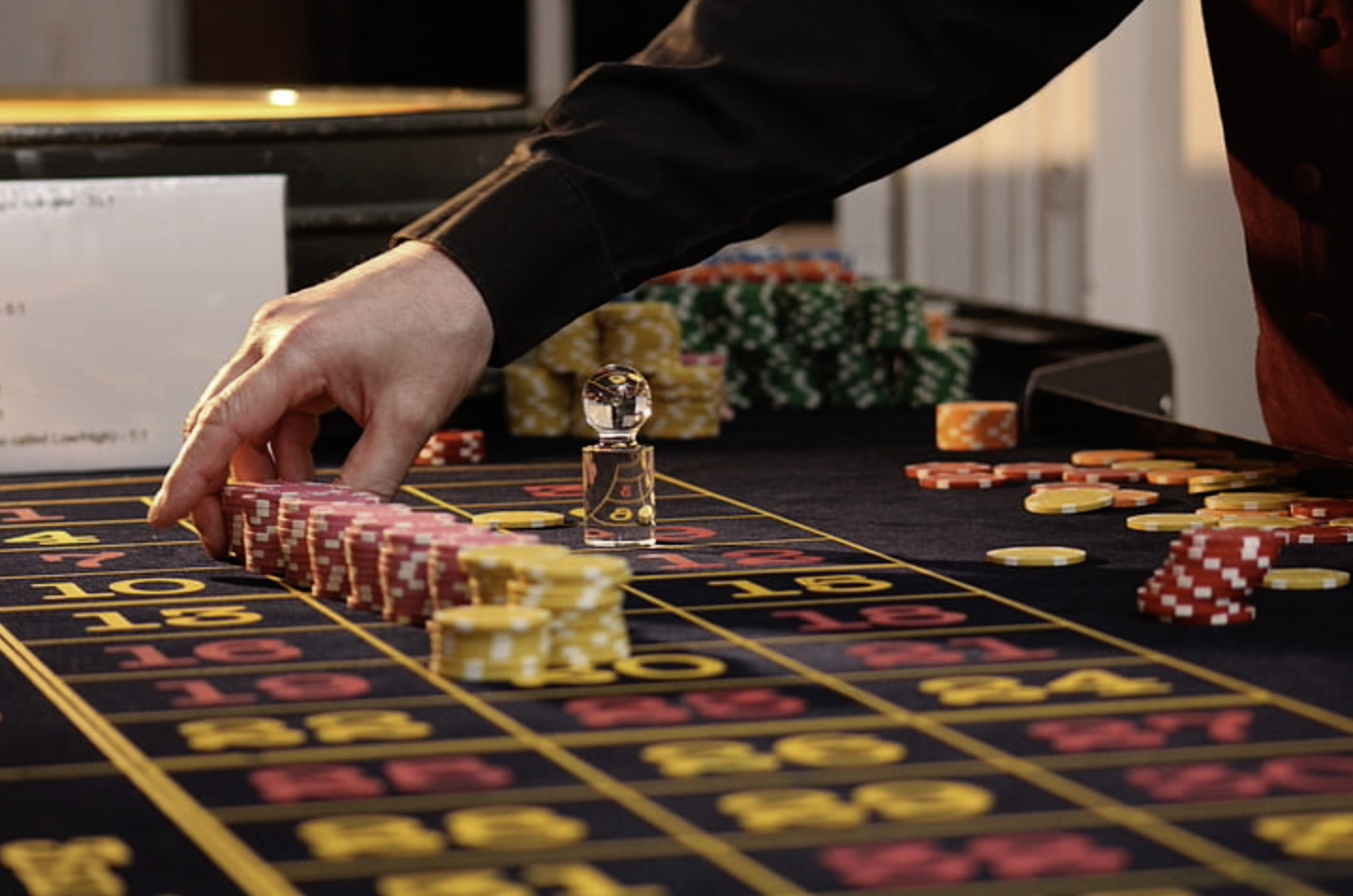
2. Roulette
Roulette is one of the clearest examples of how humans respond to pure uncertainty. Each spin is independent, yes, but players naturally seek patterns. This is known as the gambler’s fallacy. It’s a belief that past outcomes influence future ones, even though there is no proof that this occurs.
What keeps players hooked is anticipation. The spinning wheel triggers increasing excitement, and the slow reveal of the winning pocket heightens emotional intensity. Even when the odds are fixed, the ritual of the spin makes the process feel meaningful.
3. Slots
Slot machines are created around behavioral neuroscience. From visuals to sound effects, and animations to near misses, they all work together to activate the brain’s reward pathways. Each spin of the reels creates a small moment of anticipation, and even small wins release dopamine.

Near misses – aka results that almost land a winning combo – are especially powerful. They activate similar neural responses to actual wins, and this naturally encourages players to keep going. Modern online slots amplify this sensation with themes, bonuses, and even storylines to ramp up the excitement levels.
4. Poker
Poker is psychological warfare. Success relies on emotional control and perception. It also demands the ability to read subtle human cues. Unlike games ruled by chance, poker rewards players who understand human behavior.
One of the key psychological elements involved is bluffing, where deception is used to influence others into making the wrong decision. Risk assessment, where probability is weighed against social dynamics, is another important aspect, as is signaling the right body language to shape the choices of your opponents.
5. Bingo
Yes, it is considered a simple game. Nevertheless, bingo is a fascinating lesson in pacing and social reward. The steady rhythm of number calling builds anticipation, while the group environment creates connection. Waiting. Hoping. Celebrating. Players experience a shared emotional arc that reinforces social belonging.
The psychological reward here is less about the win and more about the collective experience.
Leave a Reply
You must be logged in to post a comment.