☰
✕
Search in https://therooster.com/
Art Talk
News
Music
Blind Dates
Shows
Podcasts
Product Reviews
Events
Store
Tickets
About
Contact
Careers
Media Kit
Terms
THC Classic
710 Showdown
Facebook
Instagram
Twitter
YouTube
Art
Rooster TV
Podcasts
Events
Tickets
Store
Cart
Subscribe
Magazine
Newsletter
☰
✕
Search in https://therooster.com/
Art Talk
News
Music
Blind Dates
Shows
Podcasts
Product Reviews
Events
Store
Tickets
About
Contact
Careers
Media Kit
Terms
THC Classic
710 Showdown
Facebook
Instagram
Twitter
YouTube
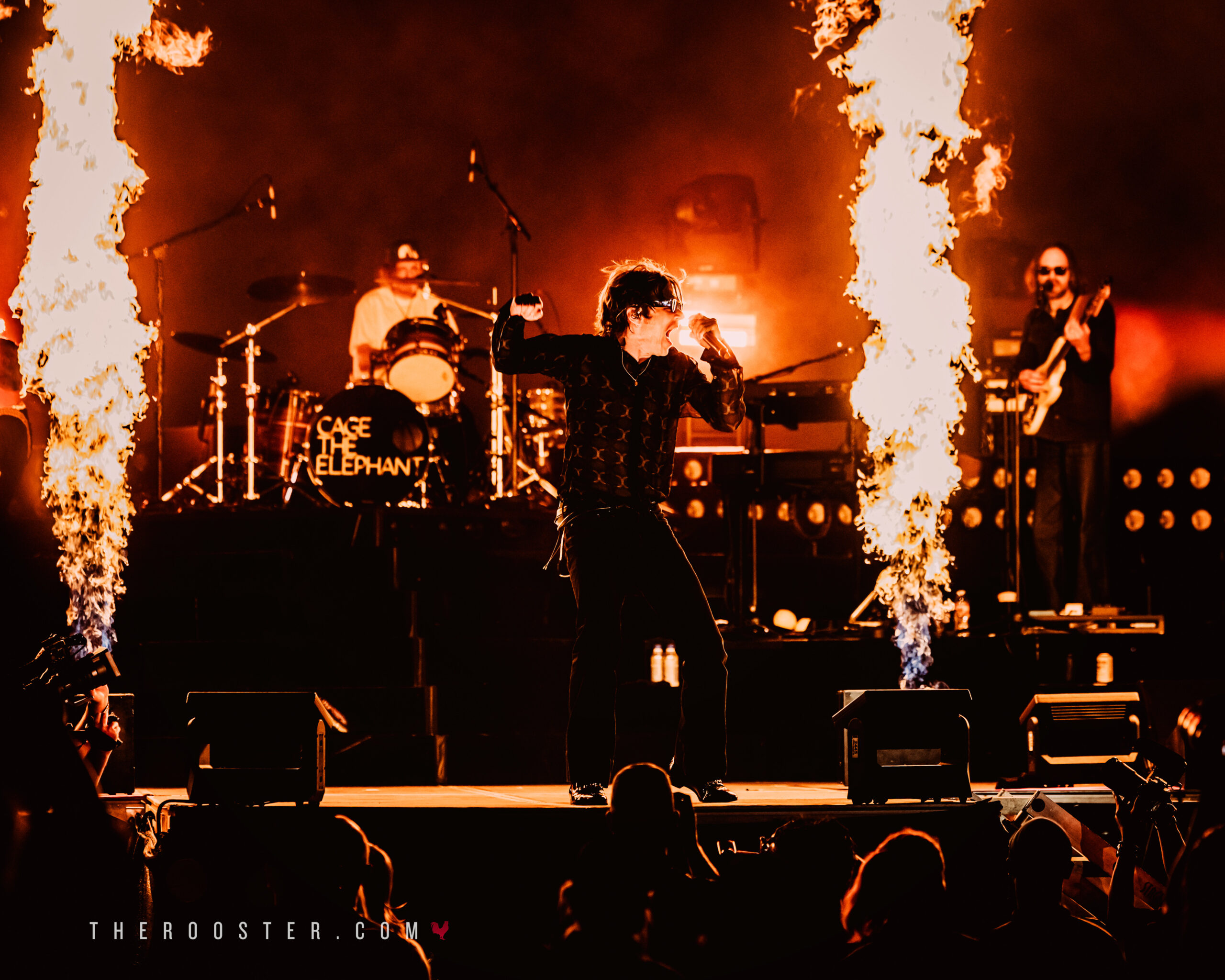
Photo Pit: Outside Days 2026 (Death Cab For Cutie, My Morning Jacket, Cage The Elephant, & More!)
#GetOutside
Music
June 17, 2026
By Nikolai Puc
Death Cab For Cutie, My Morning Jacket, & Cage The Elephant
W/ Goth Babe, Grouplove, Tash Sultana, Japanese Breakfast, & The Flaming Lips
Auraria Campus – Denver, Colorado
Photography by:
Nikolai Puc
| 5.29-31.26
Share on X (Opens in new window)
X
Share on Facebook (Opens in new window)
Facebook
Share on Reddit (Opens in new window)
Reddit
Share on Pinterest (Opens in new window)
Pinterest
Share on LinkedIn (Opens in new window)
LinkedIn
Email a link to a friend (Opens in new window)
Email
Print (Opens in new window)
Print
Like this:
Like
Loading…
Leave a Reply
Cancel reply
You must be
logged in
to post a comment.
Related Articles
Events
From Art Experience to Afterparty: Archetype V2 Takes Over Mission Ballroom
Music
Photo Pit: Lord Huron at Red Rocks Amphitheatre
Music
Photo Pit: Big Head Todd and the Monsters at Red Rocks Amphitheatre
Music
Photo Pit: FISHER at Red Rocks Amphitheatre
Music
Photo Pit: Echo & The Bunnymen at Mission Ballroom
Music
Photo Pit: Yellowcard at the Junkyard
Culture
Kickoff to April 2026: Kickoff To April Winner’s Row Gallery
Get the Latest
Notice: JavaScript is required for this content.
Follow Us
Facebook
Instagram
Twitter
YouTube
What to Read Next
Music
Photo Pit: Outside Days 2026 (Death Cab For Cutie, My Morning Jacket, Cage The Elephant, & More!)
Events
A Corporate Tower Turned Solstice Temple: “To Gladden The Heart” Event Combines Immersive Music, Performance Art and Botanical Ritual
Music
Photo Pit: FISHER at Red Rocks Amphitheatre
Music
Photo Pit: Echo & The Bunnymen at Mission Ballroom
Music
Photo Pit: Yellowcard at the Junkyard
Rooster TV Videos
Rooster TV
Rooster TV’s House Party w/ Shank Aaron: A Haunting at HEYZ House
Rooster TV
Big Brad World: Brad Takes on MicroMania Wrestling
%d



Leave a Reply
You must be logged in to post a comment.